
Chasen: Everything About the Bamboo Matcha Whisk
What is a chasen, how many tines does it have, and how do you maintain it? Learn everything about the bamboo matcha whisk for the perfect matcha.
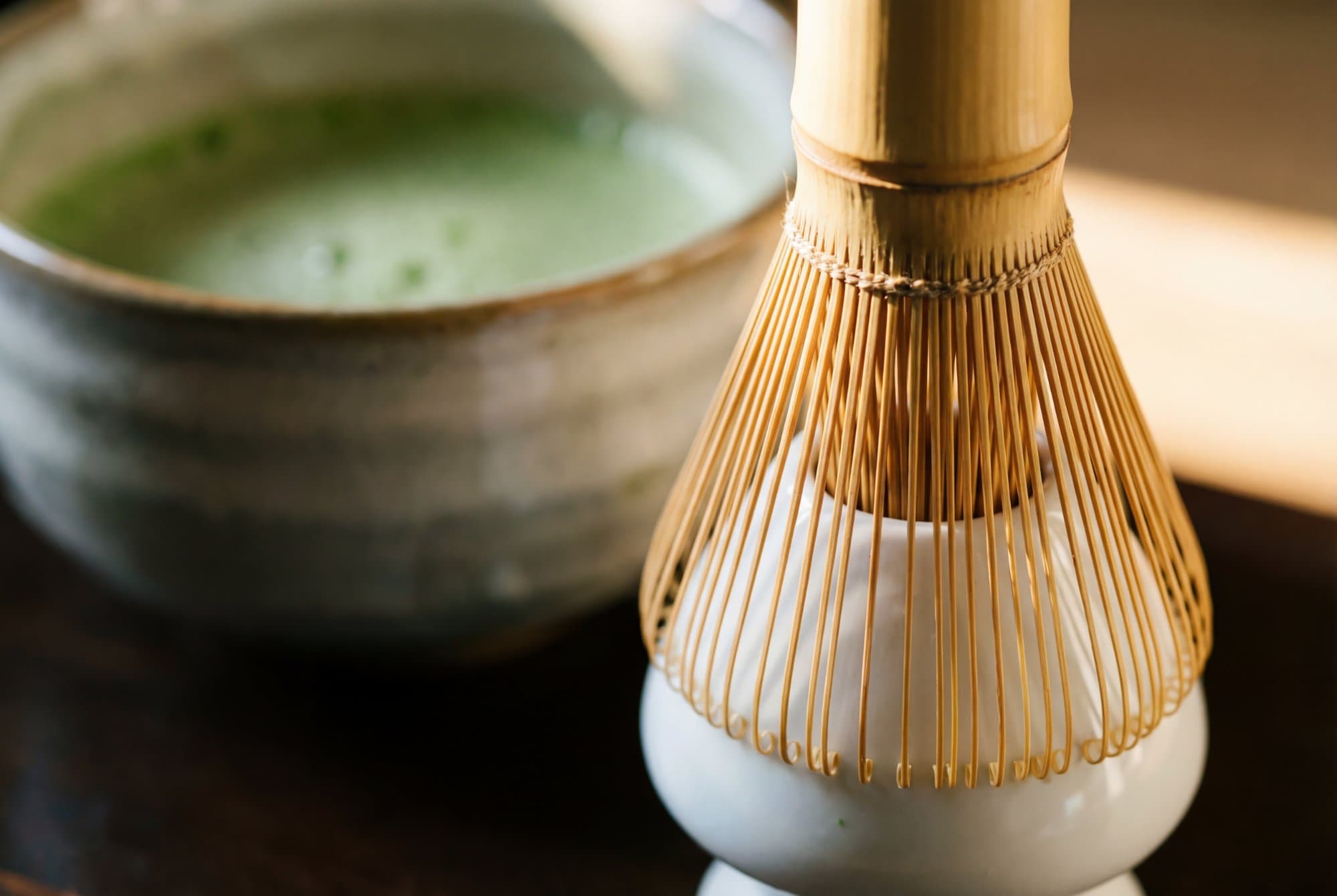
If you're serious about preparing matcha, there's one accessory you absolutely cannot skip: the chasen. This traditional bamboo matcha whisk has been the heart of the [Japanese tea ceremony](/blog/japanse-theeceremonie) for centuries and creates that characteristic creamy foam that makes good matcha so special. In this article, we'll tell you everything you need to know about the chasen — from history and use to maintenance and replacement.
What is a chasen?
A chasen is a traditional Japanese bamboo whisk specially designed for whisking matcha tea. The thin, flexible tines of the chasen ensure that the matcha powder mixes evenly with water and forms a creamy foam. It is an essential part of the Japanese tea ceremony and the most effective tool for preparing matcha.
Each chasen is handmade from a single piece of bamboo. A craftsman carves the outside of the bamboo into dozens of thin, flexible tines while keeping the inside intact as a handle. This artisanal process requires years of training and has been passed down through generations within Japanese families. The most renowned chasens come from the village of Takayama in Nara Prefecture, where this craft has been practiced for more than 500 years.
The bamboo used is typically white bamboo (shiratake) or purple bamboo (susutake). White bamboo is the most common and suitable for daily use. Purple bamboo is rarer and is traditionally used for more ceremonial occasions.
The history of the chasen
The chasen has a rich history dating back to the 15th and 16th centuries. When the Japanese tea ceremony developed under the influence of Zen Buddhism and tea masters such as Sen no Rikyu, the chasen became an indispensable part of the ritual. The shape and design of the chasen have barely changed since then — proof of how well the original design works.
In the tea ceremony, the chasen is more than a practical tool. It is a symbol of respect, attention, and craftsmanship. A good tea host treats the chasen with care and replaces it when it shows signs of wear, as a gesture of hospitality toward guests.
How many tines does a chasen have?
Chasens are made with varying numbers of tines, typically ranging from 16 to 120. The number of tines directly affects the type of foam you can create and the purpose for which the chasen is used.
Overview by number of tines
- 16 tines (Araho): Very coarse, specifically for koicha (thick matcha). The few, sturdy tines mix the thick matcha blend without creating too much foam.
- 36 tines: Suitable for both koicha and thicker preparations. Less foam, more focus on a smooth blend.
- 48 tines: A middle ground. Suitable for varied use.
- 64 tines: Good foam, versatile.
- 80 tines: The standard and most popular variant. Perfect for daily use and creating a nice, creamy foam with usucha (thin matcha). Our [bamboo chasen with 80 tines](/product/bamboe-matcha-klopper-chasen-6-11-cm-80-tanden) is the ideal example.
- 100 tines: Finer foam, more suitable for ceremonial use. The extra tines produce a denser, more velvety foam layer.
- 120 tines (Hyaku-pon-date): The finest foam possible. For advanced users and formal tea ceremonies.
For most home users, a chasen with 80 tines is the best choice. It produces beautifully creamy foam and is durable enough for daily use. If you want to learn more about preparing matcha, check out our guide for [making matcha tea](/recepten/matcha-thee-maken).
Why a chasen works better than alternatives
You can also whisk matcha with a fork, metal whisk, or electric milk frother. But a chasen gives by far the best result, and that's due to a number of specific properties.
Finer foam
The dozens of thin bamboo tines move independently through the water. This creates micro air bubbles that produce much finer and more stable foam than any metal alternative. The foam a chasen produces is dense, creamy, and lasts longer.
No damage to your tableware
Bamboo is softer than metal. A metal whisk or spoon can leave scratches on the inside of your [matcha bowl](/product/tokyo-design-studio-matcha-kom-kobiki-wit-13-8-cm-500-ml), especially if it's handmade ceramics. A chasen doesn't damage your bowl.
No clumps
The flexibility of the bamboo tines ensures they move along the bottom and walls of the bowl, breaking up every clump of matcha powder. The result is a perfectly smooth and homogeneous mixture. This is harder to achieve with stiffer alternatives.
The ritual
There's also a less tangible but important benefit: using a chasen turns your matcha moment into a conscious ritual. The whisking sound, the movement of your hand, the aroma of the matcha being released — it's a mini meditation that gives your day a moment of calm. This aligns with the philosophy of the [Japanese tea ceremony](/blog/japanse-theeceremonie), in which attention and presence are central.
How to use a chasen?
Using a chasen correctly isn't difficult, but there are a few steps that make the difference between a good and a great cup of matcha.
Preparation
1. Soak the chasen for 1 to 2 minutes in warm water before each use. This makes the bamboo more flexible and prevents the tines from breaking. This is important not only on first use, but every time.
2. Sift your matcha through a fine [matcha sieve](/product/matcha-zeef-rvs-6-9-19-2-cm) into your bowl. This prevents clumps and makes the chasen's job easier.
3. Warm your [matcha bowl](/product/tokyo-design-studio-matcha-kom-kobiki-wit-13-8-cm-500-ml) by pouring warm water into it and discarding it. A warm bowl keeps your matcha at temperature longer.
Whisking
1. Add 2 grams of sifted matcha to your bowl. That's about 2 scoops with a [bamboo chasaku](/product/bamboe-matcha-lepel-chasaku-18-cm) (matcha spoon).
2. Pour in 70 ml of warm water at about 80 degrees Celsius. Don't use boiling water — it burns the matcha and makes it bitter. Read more about the right preparation method in our [matcha latte recipe](/recepten/matcha-latte-recept).
3. Hold the chasen vertically, with your fingers around the top of the handle. Hold the bowl steady with your other hand.
4. Whisk in rapid W or M motions from your wrist. Start slowly to mix the matcha with the water, then speed up to create foam. Don't press the chasen against the bottom of the bowl — let the tines move freely.
5. After 15 to 20 seconds, you'll have a creamy, light green foam layer. Make a few slow circles across the surface to break large bubbles and gently lift the chasen up from the center.
Prefer a cold variant? You can also use the chasen for making an [iced matcha latte](/recepten/iced-matcha-latte-recept). Whisk the matcha first with a small amount of warm water and then add cold milk and ice.
The complete matcha preparation set
For the best matcha experience, use the chasen together with a number of other traditional [accessories](/shop?collectie=accessoires):
- Chasen (bamboo whisk): The main instrument for whisking.
- [Chasaku](/product/bamboe-matcha-lepel-chasaku-18-cm) (bamboo matcha spoon): For measuring the right amount of matcha.
- [Chawan](/product/tokyo-design-studio-matcha-kom-kobiki-wit-13-8-cm-500-ml) (matcha bowl): A wide, shallow bowl that provides room for the whisking movements.
- [Matcha sieve](/product/matcha-zeef-rvs-6-9-19-2-cm): To remove clumps from the powder for a smoother result.
- [Chasen naoshi](/product/matcha-klopper-houder-chasen-naoshi-wit-6-8-6-2-cm) (whisk holder): To keep the chasen in shape while drying.
All these items are available in our [shop](/shop). Looking for a great gift for a matcha lover? Check out our [gift sets](/shop?collectie=giftsets) where multiple accessories come together in a complete package.
Maintenance and storage
Proper maintenance significantly extends the lifespan of your chasen. Here are the most important tips:
After each use
- Rinse the chasen immediately with lukewarm water. Use your fingers to gently remove any remaining matcha from the tines.
- Don't use soap — soap can damage the bamboo, harm the natural fibers, and affect the taste of your next cup of matcha.
- Shake off excess water.
Drying
- Place the chasen on a [chasen naoshi](/product/matcha-klopper-houder-chasen-naoshi-wit-6-8-6-2-cm) (whisk holder) to dry. This ceramic or wooden tool keeps the tines in their original shape and prevents them from bending outward.
- Let the chasen dry completely before storing it. Never store it in an enclosed space while it's still damp — this can cause mold.
- Store the chasen in a dry place, out of direct sunlight.
What you absolutely should not do
- Don't put it in the dishwasher.
- Don't soak it in water for extended periods.
- Don't toss it in a drawer where the tines can become deformed.
- Don't use it to stir or whisk other drinks — the chasen is designed exclusively for matcha.
When to replace a chasen?
A chasen is a consumable item. With daily use, it lasts an average of 3 to 6 months. With weekly use, it can last a year or longer. It's important to regularly check its condition.
Signs that replacement is needed
- Broken tines: When multiple tines are broken or missing, the foam becomes less fine and creamy.
- Loss of springiness: If the tines permanently splay outward and no longer spring back, the chasen loses its effectiveness.
- Discoloration or odor: If the bamboo has darkened significantly or smells musty despite good maintenance, it's time for a new one.
- Less foam: If you notice that the same technique produces less foam than before, the chasen probably needs replacing.
A worn chasen can still mix matcha, but the result will be noticeably inferior. Additionally, loose bamboo splinters can end up in your matcha, which you'll want to avoid.
Frequently asked questions about the chasen
Can I use an electric milk frother instead of a chasen?
You can, and for a quick [matcha latte with oat milk](/recepten/matcha-latte-havermelk) it works fine. But the foam is coarser and less stable than with a chasen. For the pure matcha experience, a chasen is irreplaceable.
Which chasen is best for beginners?
A chasen with 80 tines is the best choice for beginners. It's versatile, durable, and produces beautiful foam without requiring advanced technique. Our [bamboo chasen](/product/bamboe-matcha-klopper-chasen-6-11-cm-80-tanden) is perfect for this.
Does it matter which matcha I use with a chasen?
The chasen works with any type of matcha, from [ceremonial grade to culinary grade](/blog/ceremonial-vs-culinary-grade-matcha). However, with higher quality matcha like our [A+ Grade](/product/japanse-matcha-thee-a-grade-30-g-1), you'll taste the difference a chasen makes most clearly. Curious about the difference between matcha qualities? Read our article on [buying matcha](/blog/matcha-kopen-gids).
How much matcha should I use per cup?
The standard is 2 grams per cup, which is about 2 scoops with a chasaku. Read our article on [how much matcha per day](/blog/hoeveel-matcha-per-dag) for more information on recommended amounts.
Which chasen suits you?
Our [bamboo chasen with 80 tines](/product/bamboe-matcha-klopper-chasen-6-11-cm-80-tanden) is the most popular choice and perfect for both beginners and experienced matcha drinkers. Want to make your chasen last longer? Pair it with a [chasen naoshi](/product/matcha-klopper-houder-chasen-naoshi-wit-6-8-6-2-cm) that keeps the tines in shape while drying.
Browse all our [matcha accessories](/shop?collectie=accessoires) and [tableware](/shop?collectie=servies) in the shop. Have questions? Visit our [FAQ page](/faq) or get in touch.
This article is purely informational.