
Buying the Best Matcha in the Netherlands: What to Look For (2026)
Looking for the best matcha in the Netherlands? Discover the 5 quality criteria, where to buy, and why origin and freshness are crucial.
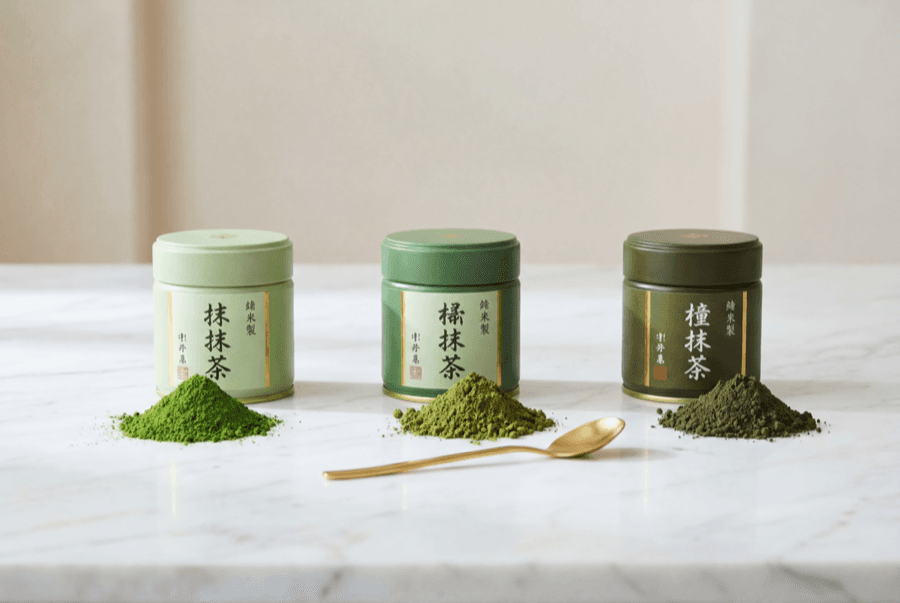
Buying the best matcha in the Netherlands: the complete guide
The popularity of matcha in the Netherlands is growing enormously. More and more people are discovering the unique taste and [health benefits of matcha](/blog/matcha-voordelen), but with that, the supply is also growing — and unfortunately not always in quality. Supermarkets, drugstores, coffee bars, and webshops all sell matcha, but the differences are enormous. In this article, we'll help you find the best matcha in the Netherlands. We discuss the five most important quality criteria, explain where to buy, and tell you exactly what to look for so you'll never be disappointed again.
Why quality truly matters with matcha
With matcha, quality makes a world of difference — much more than with most other types of tea. This is because with matcha you consume the entire tea leaf. With regular tea, you steep the leaves and throw them away, so you only take in a fraction of the compounds. With matcha, you drink everything: the antioxidants, the amino acids, but also any pesticides, heavy metals, or other unwanted substances.
This means that the origin, cultivation method, and processing are extra important with matcha. Cheap matcha of unclear origin can not only taste bad but may also be less healthy than you think. High-quality matcha, on the other hand, is one of the most nutritious drinks you can consume.
Moreover, there is a direct link between quality and taste. Good matcha tastes smooth, slightly sweet with umami tones. Bad matcha tastes bitter, flat, or even musty. Many people who say they don't like matcha have simply never tasted good matcha.
The 5 quality criteria for matcha
To recognize the best matcha, there are five criteria to look for. Use these as a checklist with every purchase.
1. Color: bright and vibrant green
This is the first and easiest criterion. Good matcha has a strikingly bright, vibrant green color, comparable to fresh grass in spring. The greener, the better. A yellowish-green, brownish, or dull color indicates lower quality matcha, matcha that has been exposed to light or air for too long, or matcha made from leaves of later harvests.
The bright color comes from the high chlorophyll content. The tea plants are covered weeks before harvest, causing them to produce extra chlorophyll. This shading process is labor-intensive and expensive, which is one of the reasons why good matcha isn't cheap.
2. Aroma: fresh, sweet, and slightly vegetal
Good matcha has a fresh, pleasant aroma. You smell sweet, slightly grassy tones, sometimes with hints of seaweed or nuts. The aroma is inviting and complex. Bad matcha often smells musty, flat, or like nothing at all. If you open your matcha and no clear aroma is released, that's a sign of low quality or extended storage.
3. Texture: silky smooth and ultrafine
Quality matcha feels like an ultrafine powder, almost like talcum powder. When you rub it between your fingers, it feels silky smooth and leaves a green streak. Cheap matcha feels coarser, sometimes even gritty. This difference in fineness comes from the grinding process. Traditional granite mills grind slowly and produce a much finer powder than industrial machines, but the process also costs much more time and money.
The fineness of the powder directly affects the taste and texture of your drink. Finer powder dissolves better, gives a creamier mouthfeel, and is easier to whisk clump-free with a [chasen](/product/bamboe-matcha-klopper-chasen-6-11-cm-80-tanden).
4. Origin: Japan, and specifically these regions
The best matcha in the world comes from Japan. Although matcha is also produced in China and Korea, Japanese production standards and traditions are unmatched. Within Japan, there are three regions known for their exceptional matcha.
Uji (Kyoto)
This is the most prestigious matcha region in Japan and is considered the birthplace of Japanese tea tradition. Matcha from Uji is known for its smooth, complex flavor with deep umami tones. The unique combination of climate, soil, and centuries-old expertise makes Uji matcha the gold standard.
Kagoshima
Located in southern Japan, Kagoshima benefits from a warm, humid climate ideal for tea cultivation. Kagoshima is Japan's largest tea-producing prefecture and delivers matcha of consistently high quality. The matcha is generally slightly lighter and sweeter than Uji matcha.
Nishio (Aichi)
Nishio is responsible for a large portion of Japan's matcha production. The region is known for its organized, high-quality production. Nishio matcha often has a balanced flavor that is very accessible for beginners.
When buying matcha, always check whether the origin is clearly stated. If a brand doesn't mention the exact origin, that's often a bad sign.
5. Price: quality has a fair price
Real, good matcha cannot be produced for two euros per bag. The shading process, the selection of the right leaves, the slow grinding on stone mills, and the transport from Japan — it all costs money. A realistic price for ceremonial grade matcha is between 12 and 25 euros per 30 grams. Culinary grade matcha is slightly cheaper, around 8 to 15 euros per 30 grams.
If matcha is significantly cheaper, compromises have almost certainly been made on quality: cheaper leaves, less shading, industrial grinding, or even blending with other ingredients.
For even more comprehensive buying advice, also read our [matcha buying guide](/blog/matcha-kopen-gids).
Where to buy the best matcha in the Netherlands?
Not all sales channels are equal. Here's an overview of the pros and cons of each option.
Specialized online shops
This is our recommendation, and for good reason. A specialized matcha webshop like The Matcha Shop has in-depth knowledge of the product, works directly with Japanese producers, and can be transparent about origin and quality. Additionally, stock rotation at a specialist is typically faster, meaning you get fresher matcha.
Advantages:
- Expert advice and product information
- Direct relationship with Japanese tea gardens
- Fresher stock due to faster turnover
- Wide selection of grades and origins
- Accessories and [tableware](/shop?collectie=servies) under one roof
Supermarkets and drugstores
More and more supermarkets sell matcha, but the quality is on average much lower. Supermarket matcha is often of Chinese origin, more coarsely ground, and older. It's an acceptable starting point if you want to try matcha without spending much money, but don't expect the same taste experience as with premium matcha.
Disadvantages:
- Often unclear or non-Japanese origin
- Longer storage time in unrefrigerated shelves
- Limited choice in grades
- No expert advice
Coffee bars and tea shops
Many coffee bars now serve matcha lattes, but the quality varies enormously. Some use pure matcha powder, others use ready-made matcha mixes with added sugar and milk powder. Always ask if they use pure matcha powder if you want to get an honest impression of the taste.
Asian supermarkets
You can sometimes find authentic Japanese matcha of good quality here, but it takes some knowledge to recognize the good products among the large selection. Pay attention to the quality criteria mentioned earlier and check whether the product is Japanese, not Chinese or Korean.
Certifications: what to look for?
There are some certifications and quality marks that can help you evaluate matcha.
- JAS (Japanese Agricultural Standard) Organic: the Japanese organic certification, comparable to the EU organic label but specific to Japanese products
- EU Organic: guarantees that the product meets European standards for organic agriculture
- Pesticide-free testing: some premium matcha producers have their tea tested for pesticides and heavy metals and publish the results
- Origin certification: documentation showing which specific region and tea garden the matcha comes from
Note: the absence of an organic label doesn't automatically mean the matcha is bad. Many small, traditional tea gardens in Japan have been using natural cultivation methods for generations without being officially organically certified, simply because certification is expensive.
How to store matcha after purchase?
Even the best matcha quickly loses quality if you store it incorrectly. Matcha is sensitive to four enemies: light, air, moisture, and heat.
The ideal storage method:
- Store matcha in its original airtight packaging or in a well-sealing tin
- After opening, put it in the refrigerator (not the freezer)
- Keep it out of direct sunlight
- Use it within six to eight weeks after opening for the best taste
- Always use a dry spoon — moisture is matcha's enemy
For extensive storage tips, read our article on [storing matcha](/blog/matcha-bewaren).
The Matcha Shop: why buy from us?
At The Matcha Shop, we specialize in premium Japanese matcha. Our matcha is carefully selected based on the five quality criteria described above. We work with renowned Japanese tea producers and ensure a consistent, fresh supply.
What sets us apart:
- 100% Japanese origin: all our matcha comes from Japan, not from China or other countries
- Fresh and quickly delivered: thanks to our fast stock rotation, you always get fresh matcha. Check our [shipping terms](/verzending) for more information
- Extensive selection: from [ceremonial grade matcha](/product/japanse-matcha-thee-a-grade-30-g-1) to [culinary grade](/product/japanse-matcha-voor-gebak-desserts-30-g), and from [matcha whisks](/product/bamboe-matcha-klopper-chasen-6-11-cm-80-tanden) to [matcha bowls](/product/tokyo-design-studio-matcha-kom-kobiki-wit-13-8-cm-500-ml)
- Knowledge and advice: through our [blog](/blog/matcha-voor-beginners) and [recipes](/recepten), we help you get the most out of your matcha
- Gift options: looking for a matcha gift? Check out our [gift sets](/shop?collectie=giftsets)
Browse our full selection in the [shop](/shop).
Frequently asked questions about buying matcha in the Netherlands
What is the best matcha for daily use?
For daily pure drinking, ceremonial grade matcha is the best choice. It has the smoothest taste and the highest concentration of L-theanine. If you mainly make matcha lattes or smoothies, culinary grade is a good and affordable option. Read more about the difference in our article on [ceremonial vs culinary grade matcha](/blog/ceremonial-vs-culinary-grade-matcha).
How do I recognize fake matcha?
Real matcha has a bright green color, a fine texture, and a smooth taste with umami tones. Fake matcha or very low-quality matcha is typically duller in color (yellowish-green or brownish), coarser in texture, and bitter or flat in taste. Always check the origin: real matcha comes from Japan.
Is more expensive matcha always better?
Not necessarily, but there is a lower limit. Matcha under five euros per 30 grams is almost always low quality. Above 15 euros per 30 grams, quality differences are more subtle and depend on personal taste preference. It's a matter of paying a fair price for a fair product.
Can I buy matcha at the supermarket?
You can, but the quality is typically much lower than at a specialist. Supermarket matcha is fine if you want to try matcha without spending much money, but don't expect the same experience as with premium matcha.
How do I know if my matcha is still good?
Check the color and aroma. If your matcha has become duller, smells less, or tastes bitter, it has probably oxidized. Opened matcha is best used within six to eight weeks.
What accessories do I need?
To prepare matcha, you need at minimum a [bamboo matcha whisk (chasen)](/blog/chasen-bamboe-matcha-klopper). A [bamboo matcha spoon (chasaku)](/product/bamboe-matcha-lepel-chasaku-18-cm) and matcha bowl are highly recommended but not strictly necessary. Check our [accessories](/shop?collectie=accessoires) for the complete overview.
What is the difference between Japanese and Chinese matcha?
Japanese matcha is steamed to stop oxidation, resulting in a bright green color and a smooth taste. Chinese matcha is often pan-fired, which gives a different taste and color. Japanese production standards are generally stricter and more consistent.
Comparing matcha: specialist versus budget
To make the difference concrete, here's a comparison between typical budget matcha from the supermarket and premium matcha from a specialist.
Budget matcha (supermarket):
- Color: duller, yellowish-green
- Texture: coarser, sometimes gritty
- Taste: more bitter, flatter
- Origin: often China or unknown
- Price: 3 to 6 euros per 30 grams
Premium matcha (specialist):
- Color: bright, vibrant green
- Texture: silky smooth, ultrafine
- Taste: smooth, sweet, umami
- Origin: Japan (Uji, Kagoshima, or Nishio)
- Price: 12 to 25 euros per 30 grams
The price difference is real, but keep in mind that you only use 1 gram of matcha per cup. Even premium matcha costs you just 50 cents to one euro per cup — a fraction of what you pay for a matcha latte at a coffee bar.
Our top tips summarized
In conclusion, here are the key points to remember when buying matcha in the Netherlands:
- Check the color: bright green is good, dull yellowish-green is bad
- Read the origin: look for specific Japanese regions
- Buy from a specialist: for the best quality and advice
- Pay a fair price: if it seems too cheap, it is too cheap
- Store it properly: airtight, cool, and dark
- Use it quickly: within six to eight weeks after opening
- Start with ceremonial grade: for the purest taste experience
Ready to try the best matcha in the Netherlands? Browse our [matcha powder collection](/shop?collectie=matcha-poeder) and experience the difference that quality makes for yourself. And if you're just starting out with matcha, also read our guide [matcha for beginners](/blog/matcha-voor-beginners) for a flying start.
---
Also read: [How much matcha can you drink per day?](/blog/hoeveel-matcha-per-dag) | [Matcha vs coffee: the honest comparison](/blog/matcha-vs-koffie) | [About us](/over-ons)
Disclaimer: this article is purely informational and not medical advice. Always consult a doctor for health-related questions.