
Ceremonial vs Culinary Grade Matcha: What's the Difference?
Discover the difference between ceremonial grade and culinary grade matcha. Learn which matcha is best for traditional ceremonies and which is perfect for your recipes.
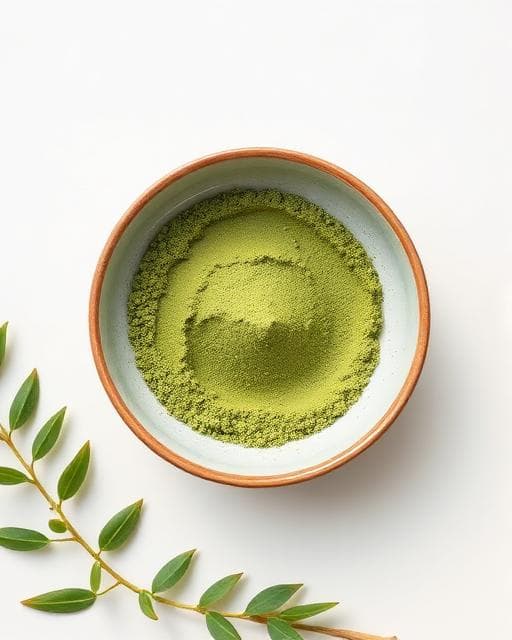
Matcha is a wonderful green tea from Japan that is becoming increasingly popular around the world. But did you know that not all matcha is the same? There are two main categories: ceremonial grade and culinary grade matcha. The difference between these two types determines not only the taste and color, but also how you can best use them. In this comprehensive guide, you'll discover exactly what the difference is and which matcha best suits your needs.
What is Matcha?
Before we compare the two types of matcha, it's important to understand what matcha actually is. Matcha is a finely ground powder made from dried leaves of the Camellia sinensis plant. This powder is traditionally used in the [Japanese tea ceremony](/blog/japanse-theeceremonie) and is packed with antioxidants and other healthy compounds. Want to learn more about all the [health benefits of matcha](/blog/matcha-voordelen)? We've written a separate article about that.
Matcha is cultivated differently from regular green tea. About 20 to 30 days before the leaves are harvested, the plant is shaded with special cloths. This process is called kabuse and significantly increases the chlorophyll content. The result is that characteristic bright green color and a richer, sweeter taste. At the same time, the L-theanine content rises — an amino acid that promotes relaxed alertness without the nervousness you often experience with coffee. Curious how matcha compares to coffee? Read our comparison in [matcha vs coffee](/blog/matcha-vs-koffie).
After harvest, the leaves are steamed to stop oxidation, dried, and stripped of stems and veins. What remains is the pure leaf flesh, also known as tencha. This tencha is then slowly ground on traditional granite stone mills into an extremely fine powder. This grinding process is time-consuming — a mill produces only about 30 grams of matcha per hour — but it is essential for quality.
Ceremonial Grade Matcha
Ceremonial grade matcha is the highest quality matcha you can buy. This type of matcha is specially intended for the traditional [Japanese tea ceremony](/blog/japanse-theeceremonie) and is made from the very youngest, most tender tea leaves of the first harvest (also called ichiban-cha). This first harvest takes place in spring, when the leaves are richest in nutrients.
Properties of ceremonial grade matcha
- Color: Intense, vibrant green with an almost jade-like sheen. This indicates that the matcha is fresh and has a high chlorophyll content.
- Taste: Subtle and complex, with a fine balance between natural sweetness, a light umami character, and minimal bitterness. The aftertaste is long and pleasant.
- Texture: Extremely finely ground to a silky smooth powder. When you rub it between your fingers, it feels almost like talc. No grainy texture whatsoever.
- Aroma: Fresh, green, and slightly floral. A good sign of freshness and correct storage.
- L-theanine content: High, which provides a calming effect that balances the caffeine.
Our [A+ Grade matcha](/product/japanse-matcha-thee-a-grade-30-g-1) is a beautiful example of ceremonial grade quality: bright green, velvety smooth, and with a rich umami flavor.
When to choose ceremonial grade?
Ceremonial grade matcha is perfect for those who want to drink matcha pure, dissolved in water without additions. Think of usucha (thin matcha) or koicha (thick matcha), the two traditional preparation methods. It's also excellent if you're just starting with matcha and want to discover the pure taste. Because this matcha tastes so smooth and refined, you don't need milk or sugar to enjoy it.
Want to know how to prepare ceremonial grade matcha the traditional way? Check out our step-by-step guide on [making matcha tea](/recepten/matcha-thee-maken). You'll need a [bamboo chasen](/product/bamboe-matcha-klopper-chasen-6-11-cm-80-tanden) for this — read more about it in our article on the [chasen bamboo matcha whisk](/blog/chasen-bamboe-matcha-klopper).
Culinary Grade Matcha
Culinary grade matcha is designed for use in recipes and drinks. This type is typically made from leaves of later harvests or from slightly older leaves. That doesn't mean it's bad matcha — it's simply a different product with a different purpose.
Properties of culinary grade matcha
- Color: Green, but less intense than ceremonial grade. May lean slightly more toward olive green or yellowish-green.
- Taste: More robust, stronger, and more astringent. This stronger flavor profile is actually desirable because it needs to hold its own against other ingredients like milk, sugar, and butter.
- Texture: Slightly more coarsely ground than ceremonial grade. May contain small clumps, but this is not a problem for recipe use.
- Price: Considerably more affordable than ceremonial grade, making it ideal for daily use in larger quantities.
- L-theanine content: Lower than ceremonial grade, but still significantly more than in regular green tea.
Our [matcha for pastry and desserts](/product/japanse-matcha-voor-gebak-desserts-30-g) is specially selected as a culinary grade matcha that performs excellently in recipes.
When to choose culinary grade?
Culinary grade matcha is the right choice for virtually all preparations where you combine matcha with other ingredients:
- Matcha lattes: The most popular application. The strong flavor cuts perfectly through the creaminess of milk. Try our [matcha latte recipe](/recepten/matcha-latte-recept) or the variant with [oat milk](/recepten/matcha-latte-havermelk).
- Smoothies and bowls: A scoop of matcha in your smoothie adds color, flavor, and a boost of nutrients. Check out our recipe for a [matcha smoothie bowl](/recepten/matcha-smoothie-bowl).
- Iced drinks: Perfect for a refreshing [iced matcha latte](/recepten/iced-matcha-latte-recept) on warm days, or explore more [iced matcha recipes](/recepten/iced-matcha-recepten).
- Pastry and desserts: From [matcha pancakes](/recepten/matcha-pancakes) to cakes, cookies, and ice cream — culinary grade matcha gives a beautiful green color and a delicious flavor.
- Savory dishes: Matcha also works surprisingly well in pasta, dressings, or even soups.
Browse all our [matcha recipes](/recepten) for more inspiration.
The Main Differences at a Glance
Let's place the two types of matcha side by side:
Quality and origin: Ceremonial grade is made from the first harvest, the youngest leaves of shaded plants. Culinary grade comes from later harvests or slightly older leaves.
Color: Ceremonial grade is intense, bright green. Culinary grade is duller and may lean toward yellowish-green.
Taste: Ceremonial grade is smooth, sweet, and complex with umami. Culinary grade is stronger, grassier, and more astringent.
Texture: Ceremonial grade is ultra-fine, silky smooth. Culinary grade is slightly coarser.
Price: Ceremonial grade is more expensive due to the labor-intensive selection and grinding process. Culinary grade offers more matcha for your money.
Use: Ceremonial grade is drunk pure with water. Culinary grade is used in recipes and drinks with milk or other ingredients.
Nutritional value: Both contain lots of antioxidants, catechins, and L-theanine. Ceremonial grade generally contains slightly more L-theanine and catechins because the youngest leaves are used.
How to Choose the Right Matcha?
The choice depends entirely on how you want to use matcha. Ask yourself these questions:
Do you prefer drinking matcha pure? Then choose ceremonial grade. The investment is more than worth it for the refined, complex flavor you can experience without any additions.
Do you mainly make lattes, smoothies, or pastry? Then culinary grade is the smart choice. You get all the benefits of matcha at a more affordable price point, and the strong flavor actually comes into its own better in combination with other ingredients.
Want the best of both worlds? Many matcha enthusiasts keep both types at home. Ceremonial grade for those special moments — a quiet cup of matcha as a meditative ritual — and culinary grade for daily use in lattes and recipes. Browse our complete [matcha collection](/shop?collectie=matcha-poeder) to find both types.
Still not sure which matcha suits you? Our comprehensive [matcha buying guide](/blog/matcha-kopen-gids) helps you step by step in making the right choice.
Quality Indicators: What to Look For?
Regardless of which type of matcha you choose, there are a number of universal quality indicators to look for:
- Color: The color should be bright green. Yellow, brown, or gray matcha is old, poorly stored, or of inferior quality.
- Aroma: Fresh matcha smells fresh, green, and slightly sweet. A musty or flat aroma indicates aging.
- Packaging: Good matcha is stored in light-tight, airtight packaging. Light, air, and moisture are matcha's greatest enemies. Read our tips on [storing matcha](/blog/matcha-bewaren) to keep your matcha fresh as long as possible.
- Origin: The best matcha comes from Japanese regions like Uji (Kyoto), Nishio (Aichi), and Kagoshima. Pay attention to where your matcha comes from.
- Supplier: Buy from reputable suppliers who are transparent about origin and quality. At [The Matcha Shop](/over-ons), we carefully select every batch and work directly with Japanese producers.
Tips for Preparing Matcha
Preparing ceremonial grade
For the best experience with ceremonial grade matcha, follow the traditional preparation method:
1. Sift 2 grams of matcha (about 2 bamboo scoops with a [chasaku](/product/bamboe-matcha-lepel-chasaku-18-cm)) through a fine [matcha sieve](/product/matcha-zeef-rvs-6-9-19-2-cm) into a [matcha bowl](/product/tokyo-design-studio-matcha-kom-kobiki-wit-13-8-cm-500-ml). This prevents clumps.
2. Add 70 ml of water at 80 degrees Celsius (not boiling — that burns the matcha and makes it bitter).
3. Whisk with a [bamboo chasen](/product/bamboe-matcha-klopper-chasen-6-11-cm-80-tanden) in rapid W or M motions until a fine, creamy layer of foam forms.
4. Enjoy immediately. Ceremonial grade matcha is at its best when freshly prepared.
Preparing culinary grade
With culinary grade matcha, you have more freedom. You can use a regular whisk, milk frother, or blender. The preparation doesn't need to be ceremonial — it's about the powder mixing well with your other ingredients. A handy tool is the [matcha sieve](/product/matcha-zeef-rvs-6-9-19-2-cm) to prevent clumps, especially in pastry.
Frequently Asked Questions
Is culinary grade matcha unhealthy?
Absolutely not. Culinary grade matcha still contains lots of antioxidants, catechins, L-theanine, and other valuable compounds. The difference with ceremonial grade is subtle and lies mainly in the concentration of certain compounds, not in their presence or absence.
Can I use ceremonial grade matcha in recipes?
You can, but it's a waste. The delicate flavor of ceremonial grade is largely lost when you combine it with milk, sugar, or other strong flavors. Moreover, you pay more for a quality that you don't fully utilize in recipes.
How much matcha can I drink per day?
The recommended amount is 2 to 4 grams per day, regardless of grade. Read our detailed article on [how much matcha per day](/blog/hoeveel-matcha-per-dag) for more information, including tips per target group.
How do I best store matcha?
Always store matcha cool, dry, and out of light. An airtight container in the refrigerator is ideal. A beautiful [tea container](/product/tokyo-design-studio-matcha-ume-thee-container-7-5-3-3-cm-30-g) keeps your matcha fresh and protected. More tips can be found in our article on [storing matcha](/blog/matcha-bewaren).
Conclusion
Both ceremonial grade and culinary grade matcha have their own unique value. Ceremonial grade is the choice for purists who want to experience matcha in its most refined form — pure, with water, as a moment of calm and mindfulness. Culinary grade is the versatile all-rounder that shines in lattes, smoothies, pastry, and countless other recipes.
The most important thing is to choose quality matcha, regardless of grade. You can recognize good matcha by its color, aroma, and taste. At [The Matcha Shop](/shop), you'll find both ceremonial and culinary grade matcha of top quality, directly imported from Japan. Also check out our [accessories](/shop?collectie=accessoires) and [gift sets](/shop?collectie=giftsets) for the complete matcha experience.
Ready to discover which matcha suits you? Browse our [matcha powder collection](/shop?collectie=matcha-poeder) and start your matcha journey today.
This article is purely informational.